






The Faroese Boat
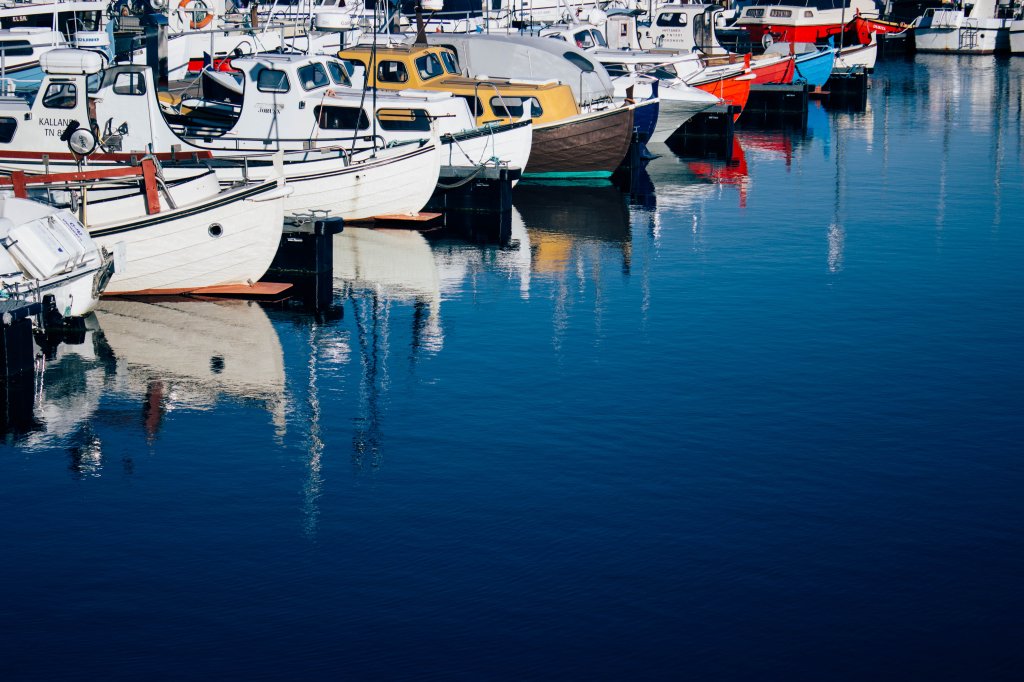
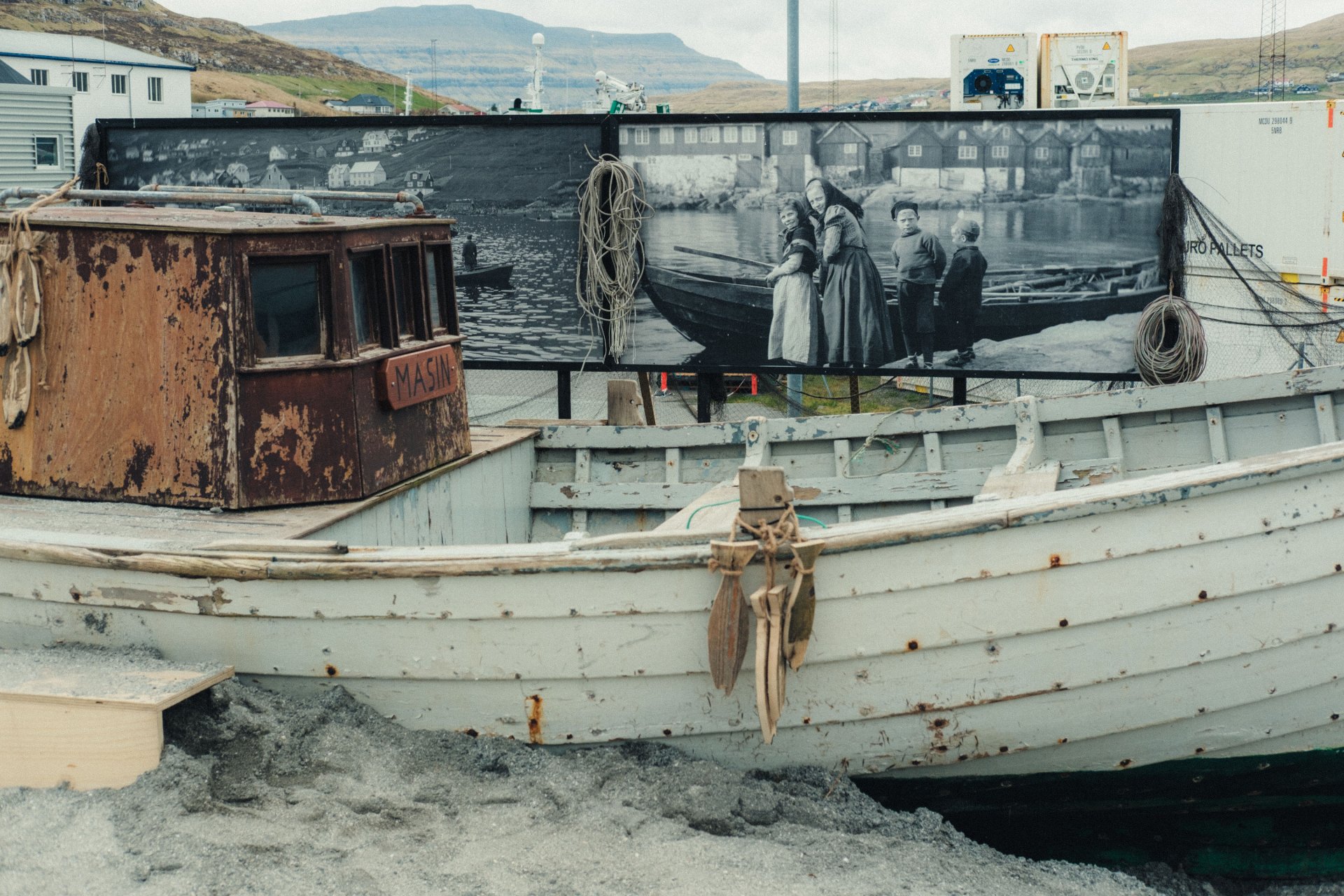
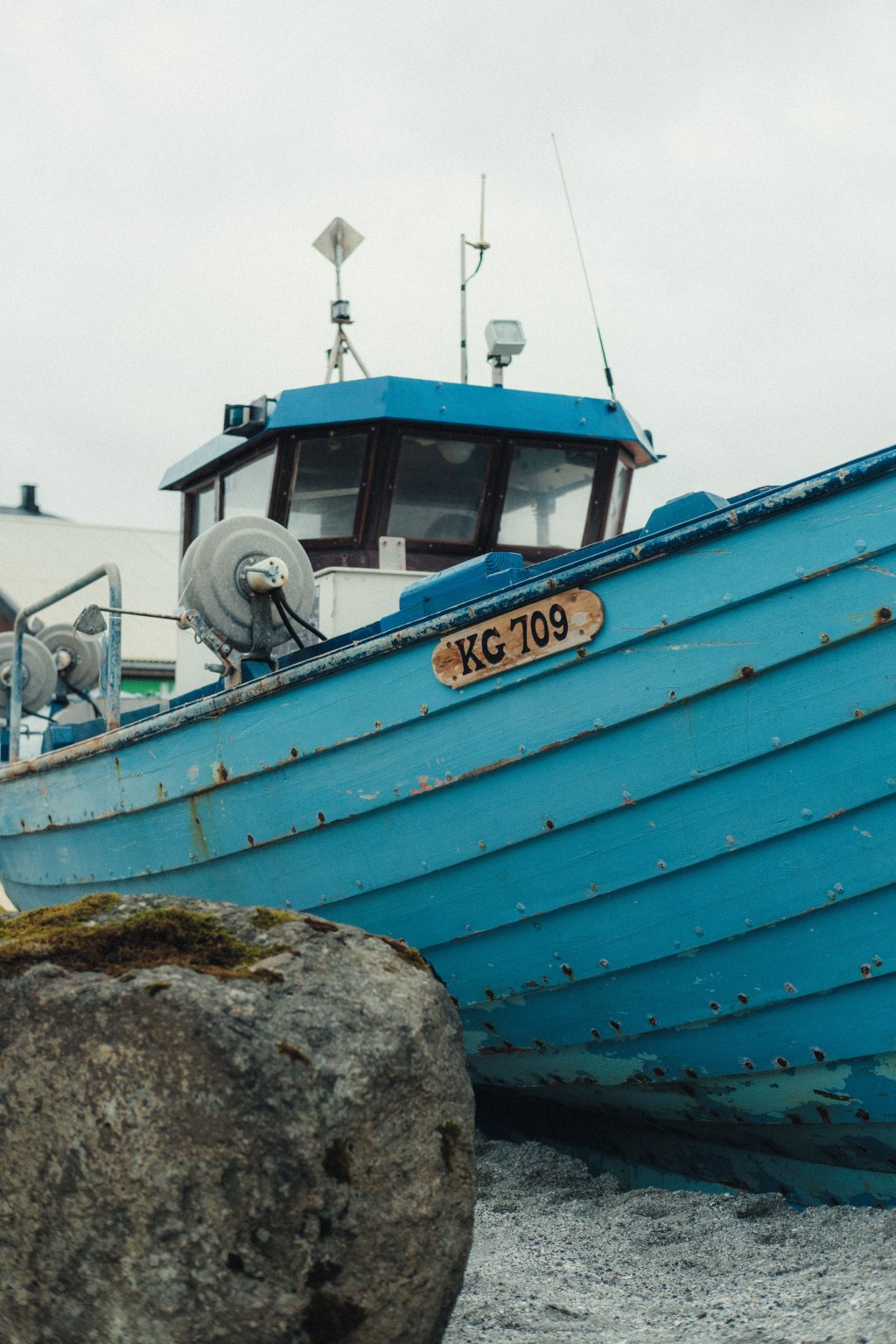
Since the settlement of the Faroe Islands around 1,100 years ago, the sea has played a decisive role in the lives of the Faroese people. Life in the Faroe Islands required a seaworthy vessel that could be rowed across the strong tidal currents of the fjords and could easily be hauled ashore on steep landing places.
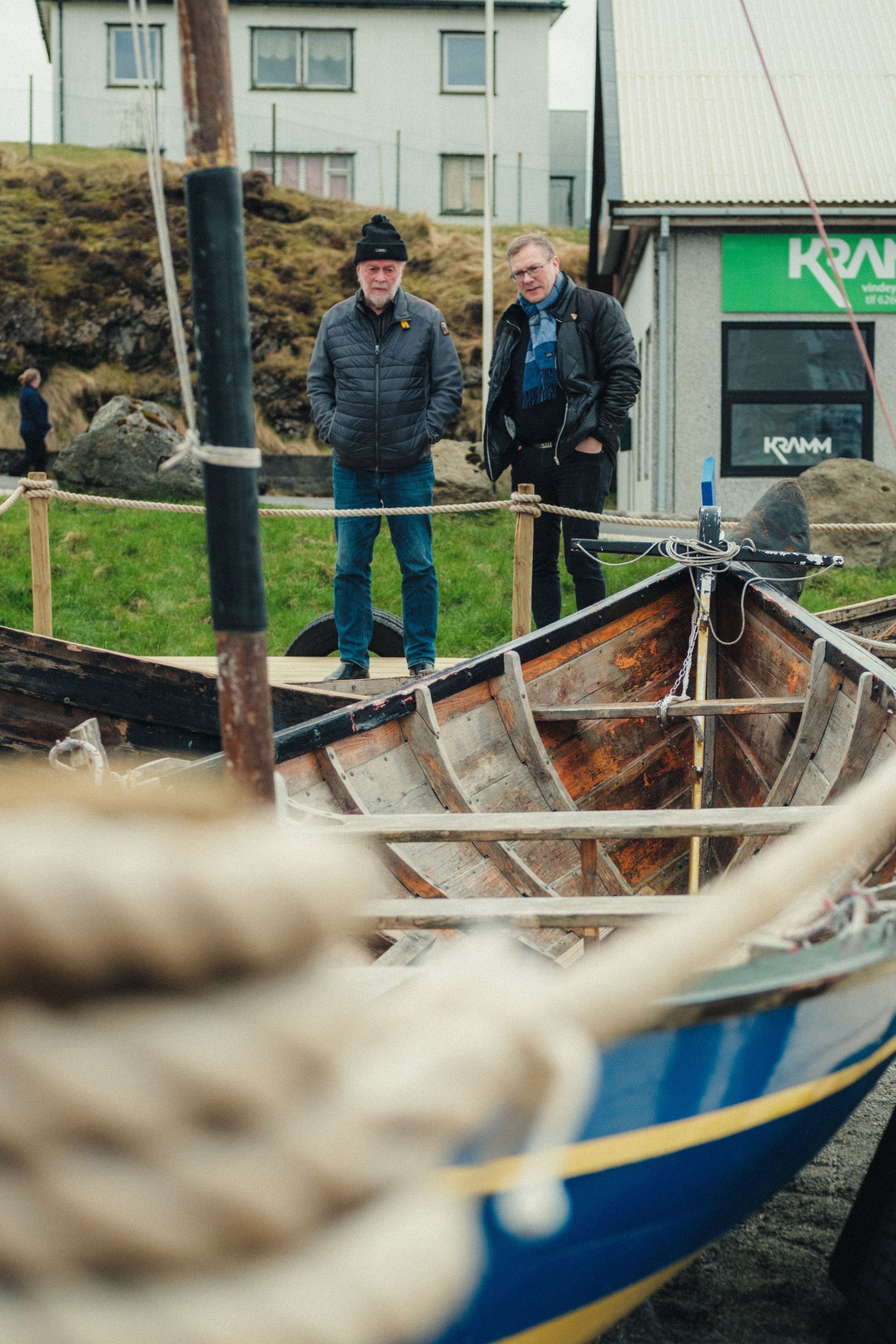
Like the Viking longships, the Faroese boat traces its origins to the Nordic clinker-built boat, a tradition that dates back approximately 2,000 years.
Boatbuilding is a traditional craft that the first settlers brought with them from their old homeland. Over time, the conditions in their new country shaped the distinctive Faroese boat. It is believed that the Faroese boat acquired its elegant and seaworthy form around the middle of the 17th century.
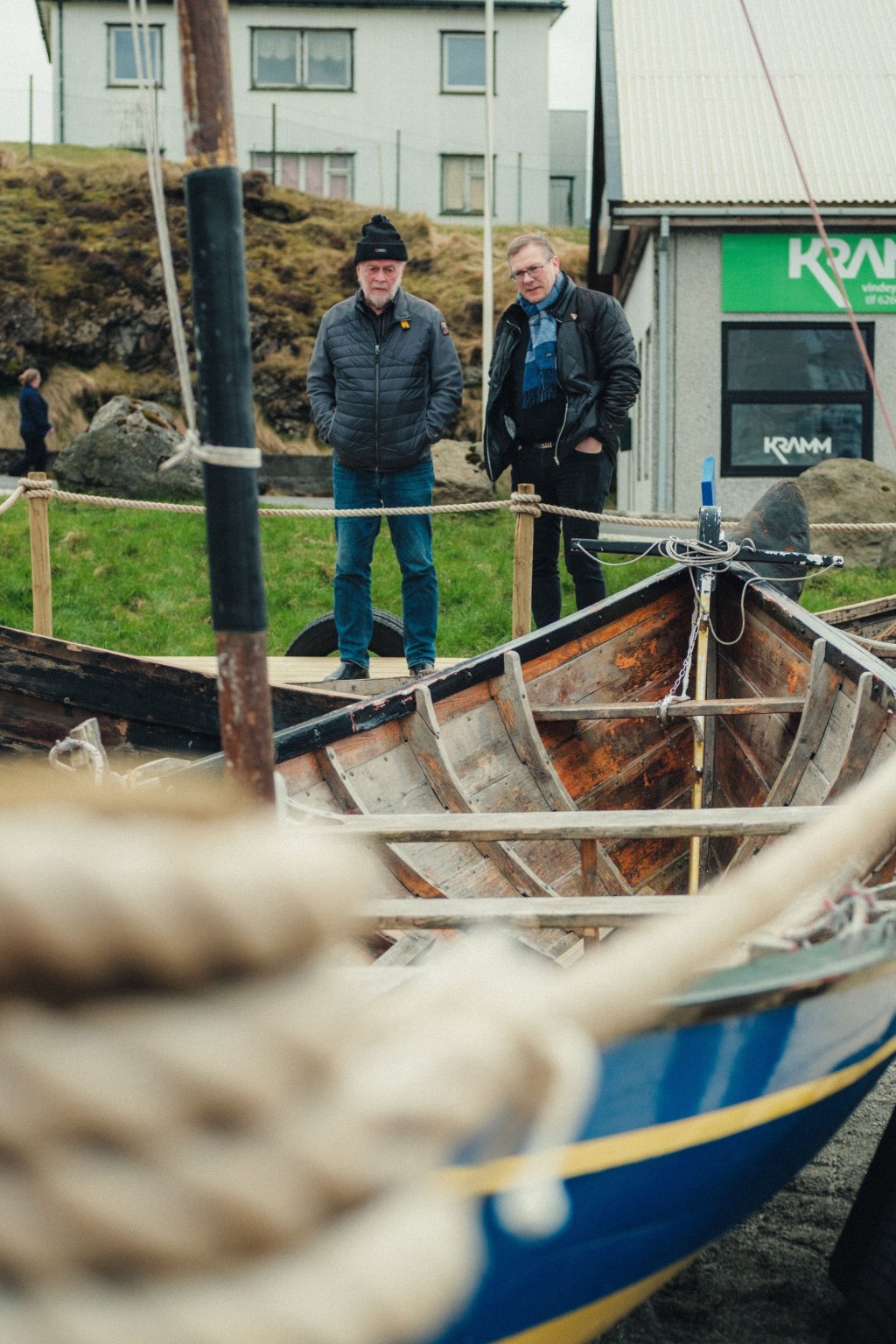
A distinctive feature of traditional Faroese boatbuilding is that once the keel has been laid, the planks are fitted edge over edge and fastened together with rivets. This process is known as laga bát ("to shape/build a boat").

Traditional Boatbuilding
Traditional boatbuilding was an inherited craft. For centuries, the knowledge was passed down from experienced boatbuilders to younger apprentices. The traditional Faroese boatbuilder worked neither from templates nor from drawings. Instead, they relied on a few key measurements and reference models for the stems, frames, knees, thole pins, and other small components.
Everything else was built by eye, following the traditions handed down by earlier master craftsmen. It was very common for the boatbuilder to travel to the customer’s village and build the boat there. The few tools he needed could all fit into a single toolbox. Everything else he carried in his head.
The Boat Houses
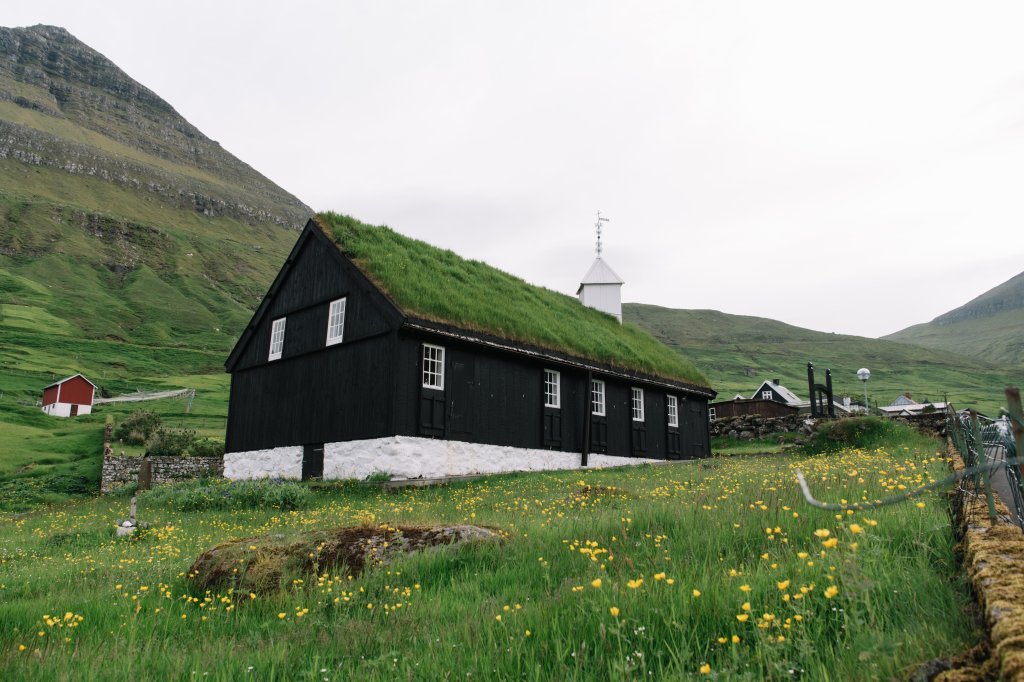
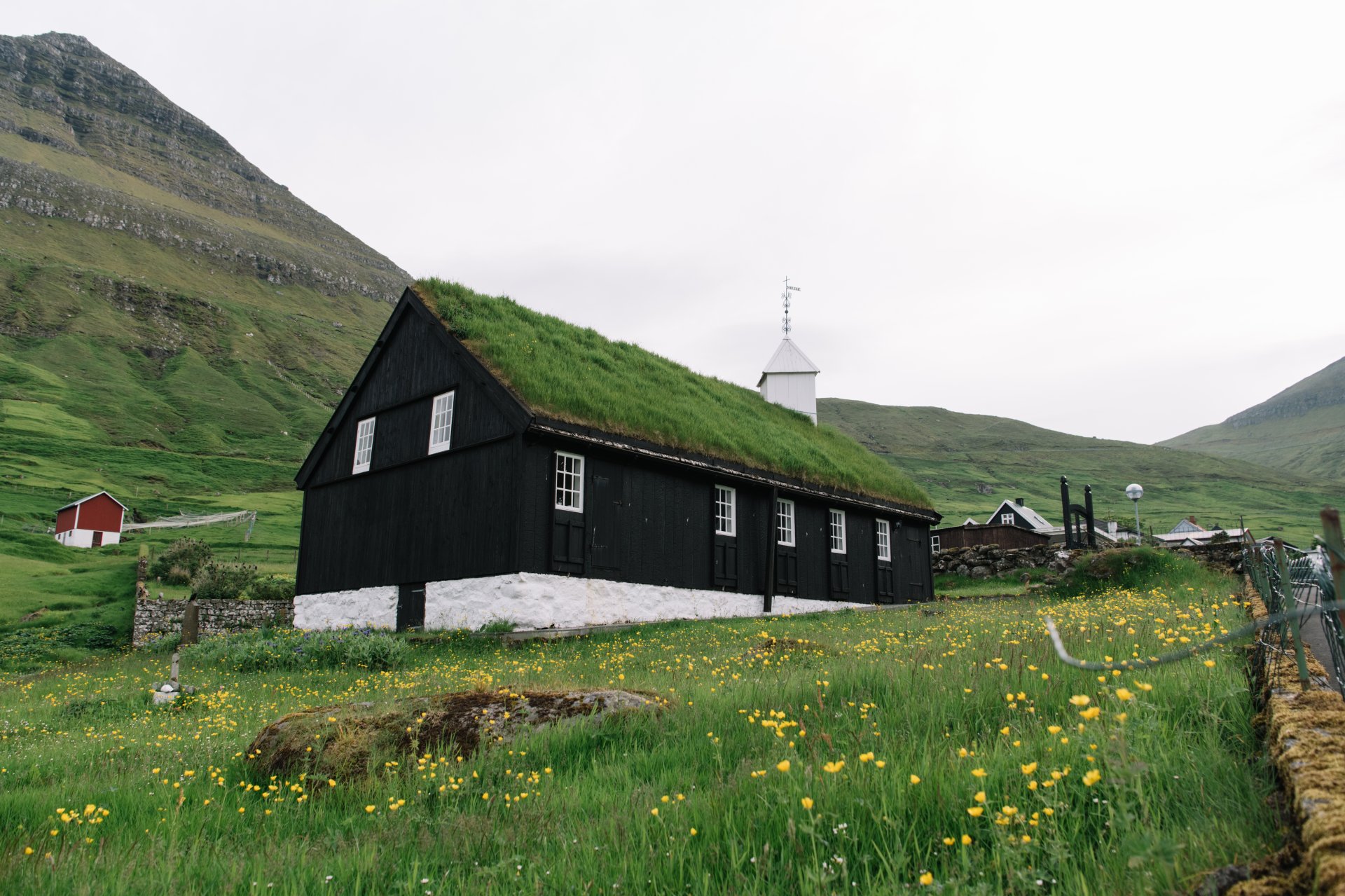
Every boat had its own boat house (neyst). There the boat was kept well protected whenever it was not at sea. Boat houses were built with thick stone walls and were clad on the outside with timber and turf roofing. Not all boat houses had doors.
They were built just large enough to accommodate the boat—often with very little headroom. The boat house also stored the equipment: oars, sails, rollers for hauling the boat ashore, fishing gear, and other necessities. Later, boat houses became larger. Some were built with two storeys: the lower floor housed the boat, while the upper floor served other purposes, such as a summer house. These newer boat houses are often constructed from reinforced concrete, clad with timber, and roofed with metal rather than turf.
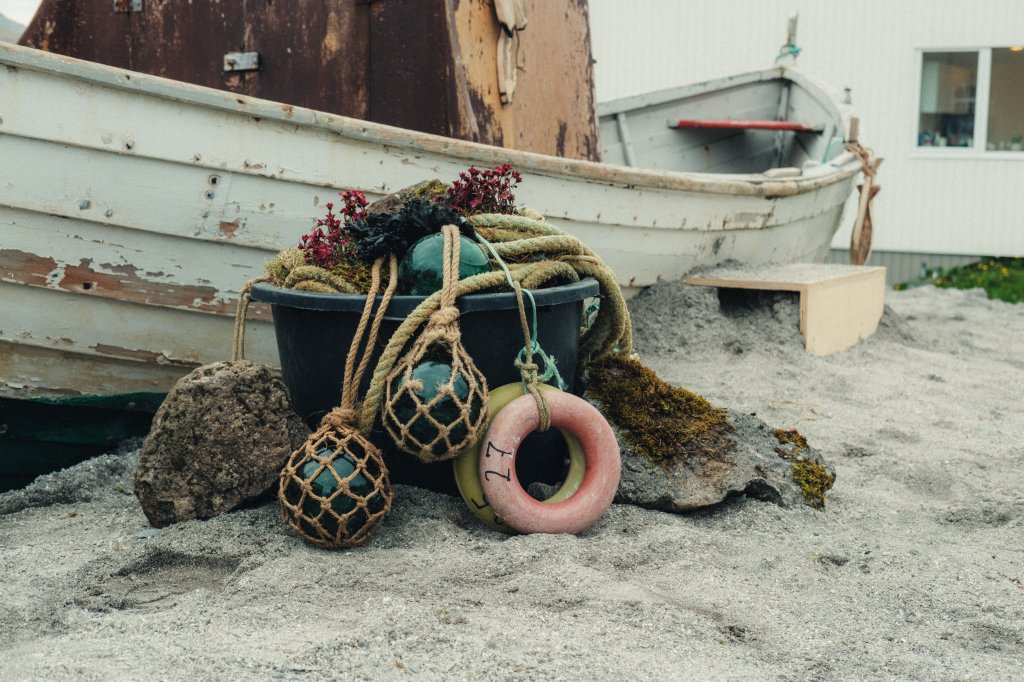
The Faroese Boat in Modern Times
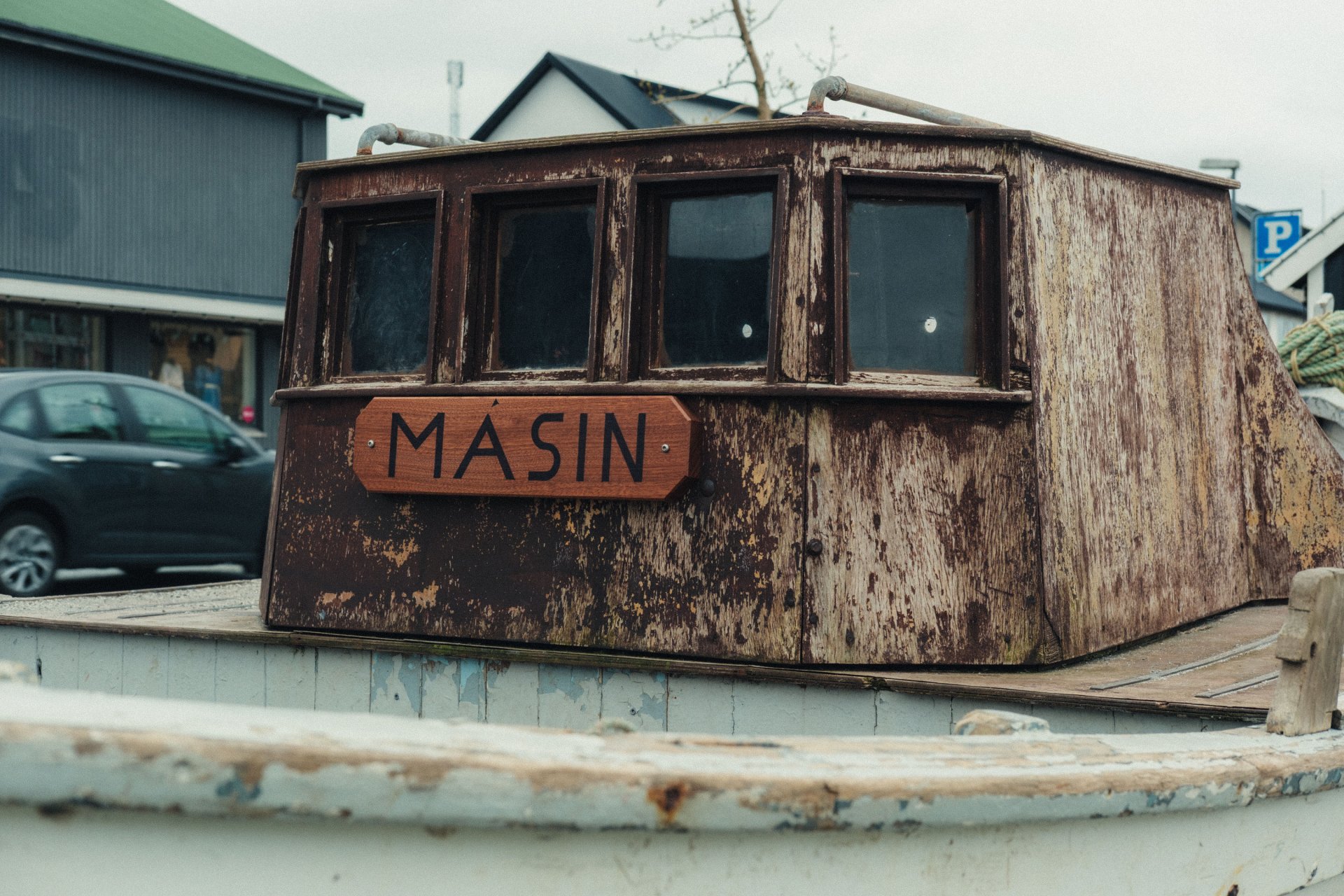
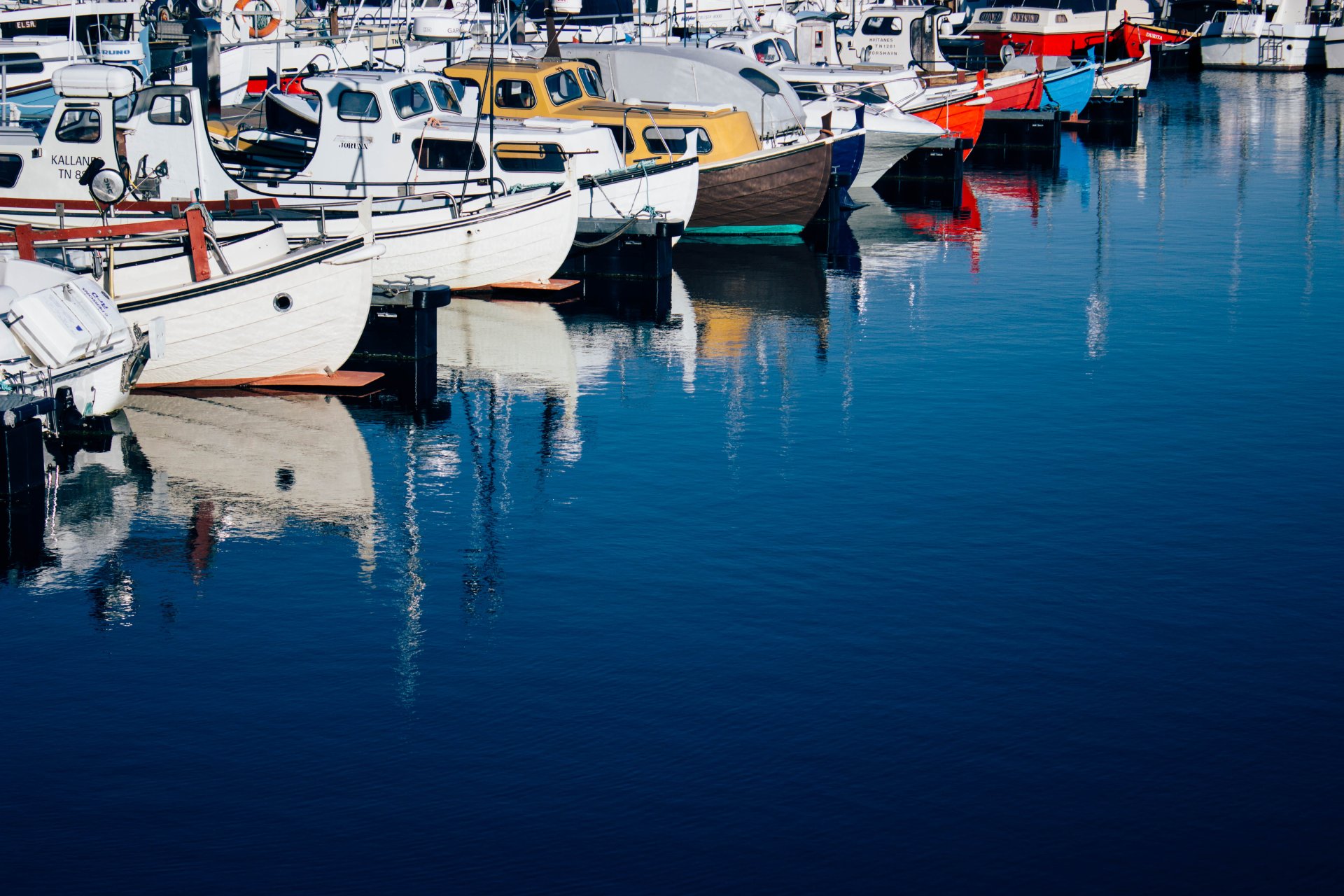
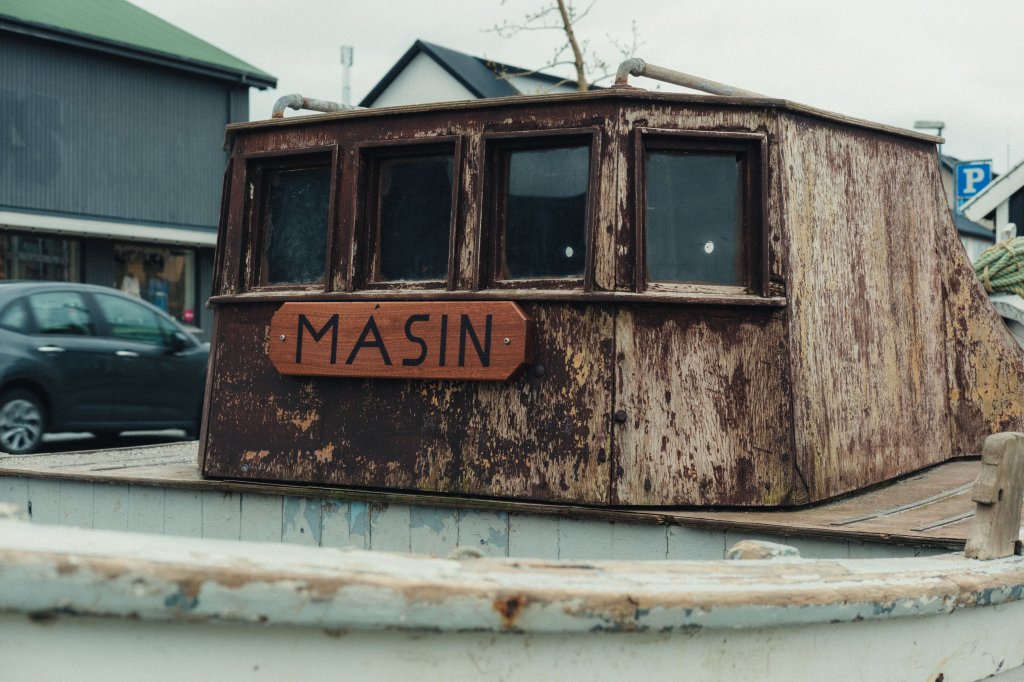
The traditional craft of boatbuilding remained largely unchanged until the first half of the 20th century. At that point, boatbuilders had to adapt to industrialization and technological development, and Faroese boatbuilding faced its first major challenge as the traditional rowing boat was modified to use engine power.
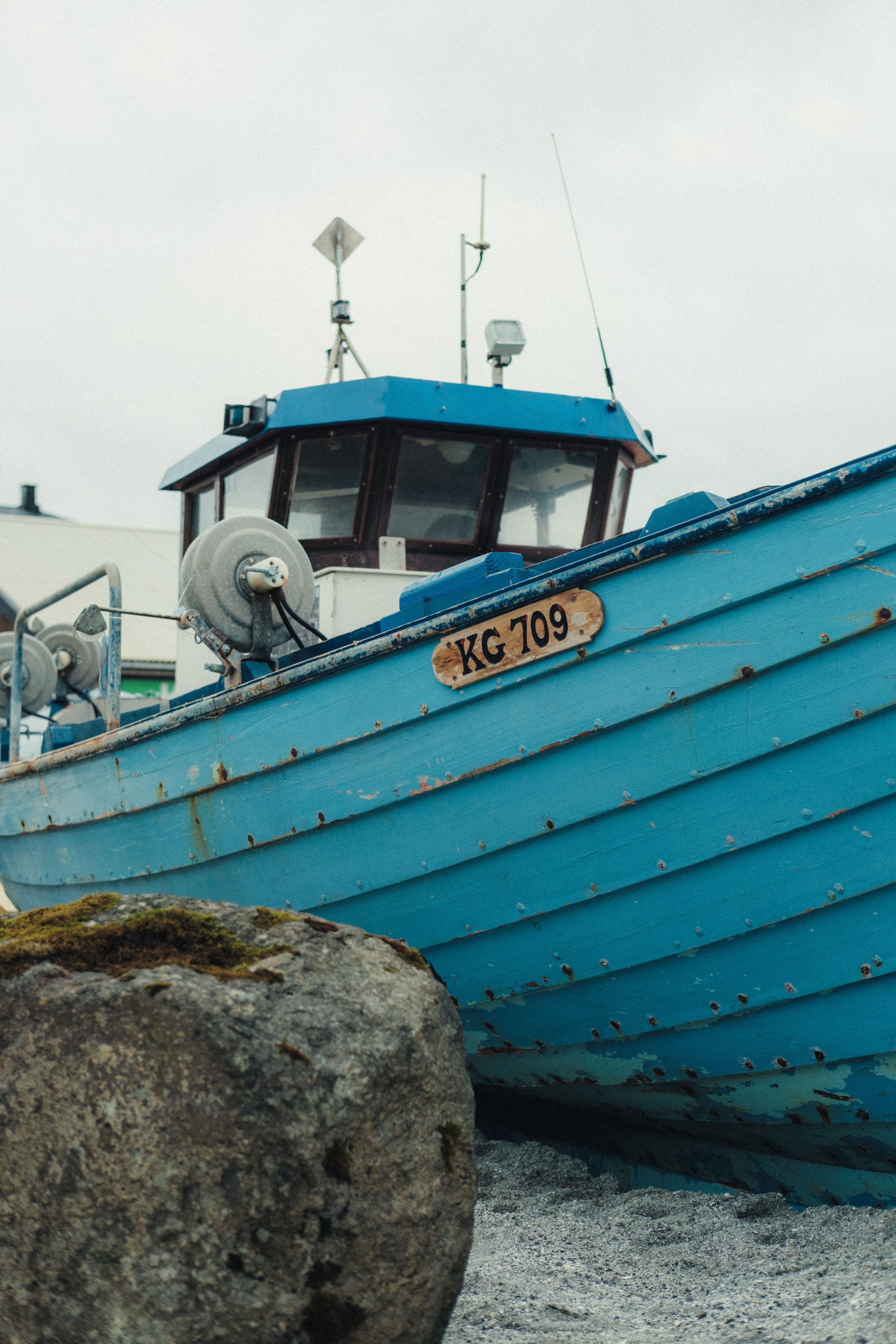
After the Second World War, many Faroese fishermen went to Greenland to fish. The boats built for Greenland were designed for engines and therefore became heavier, deeper, and wider.
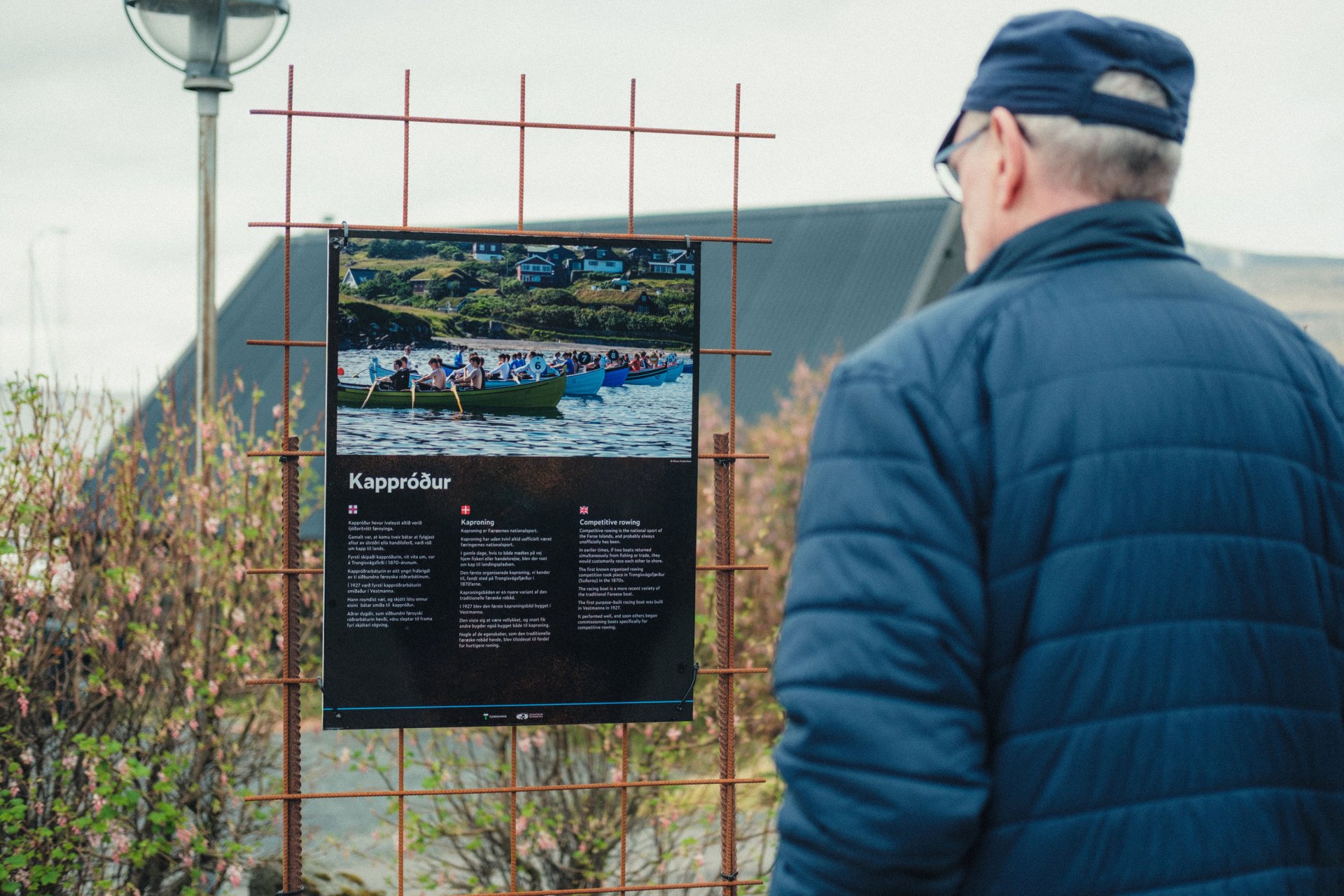
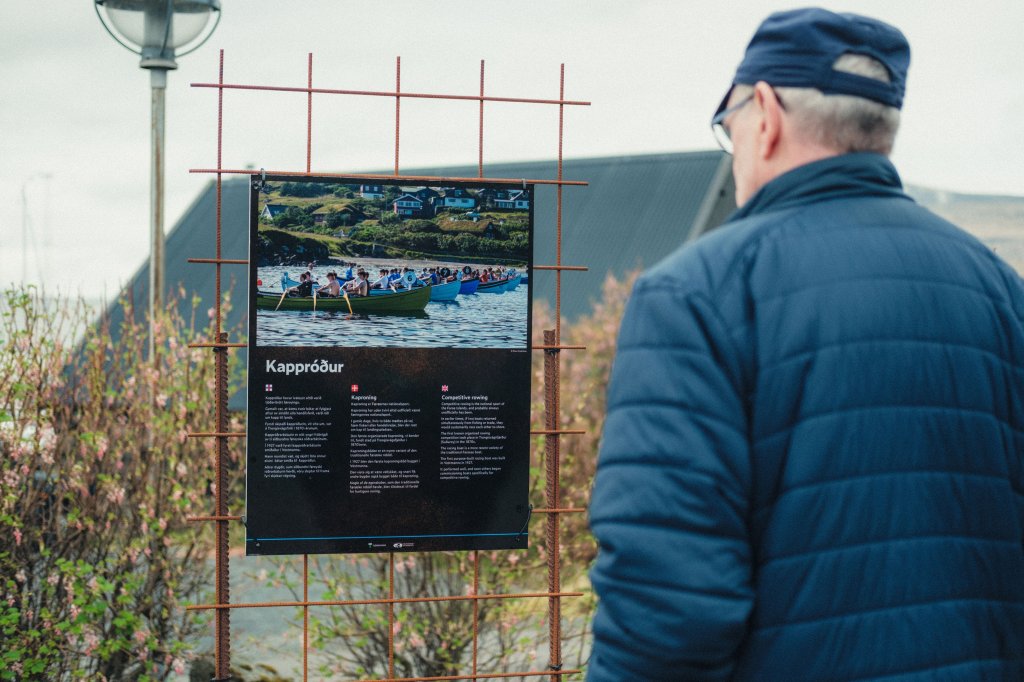
Another modern development of the Faroese boat is the racing boat. The first racing boat was built in Vestmanna in 1927. It was specifically designed for speed under oars, and many of the qualities valued in the traditional working rowing boat were sacrificed in favor of racing performance. Today, the commercial use of the traditional Faroese boat has almost disappeared.
The tradition is now carried forward by boatbuilders, rowing clubs, and museums through competitive rowing, tourism, and recreational activities. The Faroese boat remains an active part of modern society, but the low demand for traditionally built Faroese boats has placed the craft of traditional boatbuilding in serious danger of disappearing.
The Faroese Boat Receives UNESCO Recognition
The Faroese rowing boat has played a decisive role in the development of Faroese society. Both the boat itself and the craft of building it have become a fundamental part of Faroese cultural heritage as well as the shared Nordic cultural tradition.
In 2021, the Faroese boatbuilding tradition was inscribed on UNESCO's Representative List of the Intangible Cultural Heritage of Humanity as part of a joint Nordic nomination covering the Nordic clinker-built boat tradition. Through this UNESCO inscription, the Faroe Islands have committed themselves to ensuring the continued viability of the Faroese boat and the traditional craft of boatbuilding.
The National Museum of the Faroe Islands administers the inscription and, in cooperation with associations, museums, and private individuals, works to preserve and pass on the Faroese boatbuilding tradition to future generations.